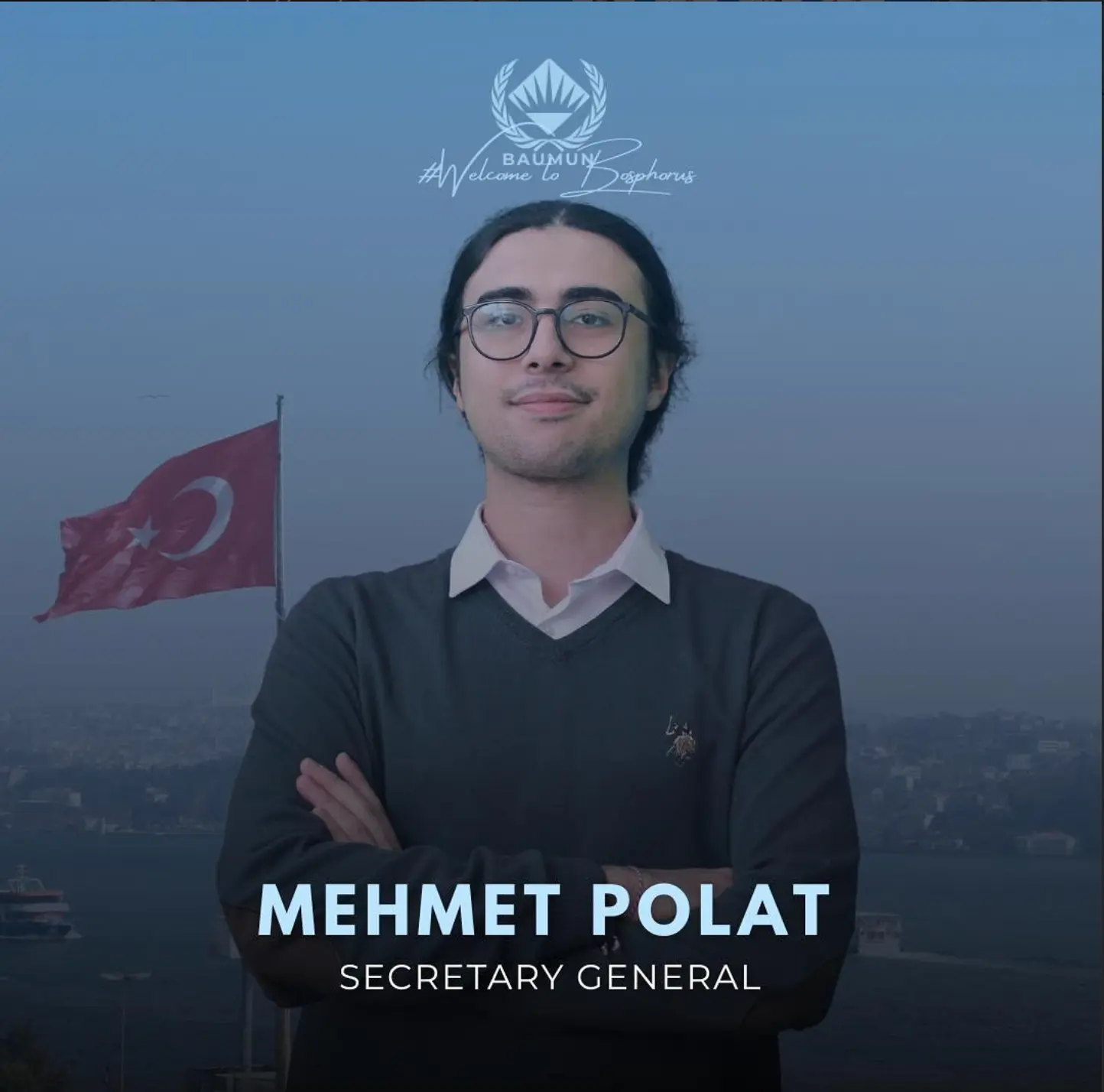
Mehmet POLAT
Secretary General
UN accredited · UNITAR / CIFAL Istanbul
2025
2–4 May 2025
Academics
We are proud to host a dynamic forum dedicated to advancing press freedom and protecting the rights of journalists
worldwide. As a key committee in our Model United Nations conference, the International Federation of Journalists (IFJ) brings together passionate delegates and experts from across the globe to debate, negotiate, and develop resolutions on some of today's most pressing challenges in media and journalism.
Our committee is committed to addressing critical issues such as government censorship, digital misinformation, and the safety of media professionals in volatile environments. By fostering informed dialogue and collaboration, we aim to promote ethical journalism and uphold the fundamental right to freedom of expression.
We look forward to a productive and inspiring journey together.
In a world where the west is only getting stronger by unifing and cooperating, the Arab world takes its own steps into constructing political harmony.
The Arab League was founded in 1945 housing initially 7 then later on 22 member states of the arabic world. The main goals of the league are to strengthen relations between the arabian countries, coordinate collaboration between them, strategize about overall plans for the interest of the Arabs, and safeguard the sovereignty of the region. The league was unsuccessful at noticeably boosting the cooperation since its founding.
The league contains different institutions within it like the Council of Arab Economic Unity and Arab League Educational, Cultural, and Scientific Organization for facilitating economical, scientific, political, and cultural affairs for the interest of the Arab region.
Are you all ready to debate on some of the most crucial problems humanity faces? This is not just another debate, it’s a chance to be part of a movement that has the power to change the course of global health. The challenges we face are monumental, and now more than ever, the world is looking to leaders like you to take decisive action.
As the WHO, we are tasked with leading international efforts to address the most critical health issues of our time. From the global fight against pandemics to the urgent need for equitable healthcare systems, the stakes couldn’t be higher. The problems we will tackle in this committee are not abstract they affect millions of lives every single day. But in this room, you have the power to make a difference.
In this session, you will represent countries with diverse health priorities and experiences, each facing unique challenges. Yet, as delegates, you share a common responsibility: to negotiate, collaborate, and craft solutions that are not only effective but also sustainable. This is where your expertise, creativity, and passion will come together to shape the future of global health.
The ILO is one of the most important international organizations that work to promote social justice worldwide, secure fundamental rights at work, and support economic growth with decent work opportunities. Founded in 1919, the organization develops policies to protect the common interests of workers, employers, and governments through a multilateral dialogue mechanism that regulates labor relations. The mission of the ILO is more important than ever, especially considering the transformations in working life caused by factors such as globalization, digital transformation, and climate change.The most important issues on the ILO’s agenda include ensuring job security, determining fair wage policies, strengthening social protection systems and eliminating inequalities in working life. Today, global issues such as undeclared work, forced labour and child labour, which constitute major problems on a global scale, are among the critical issues that need to be addressed within the framework of the ILO’s core labour standards. In addition, current issues such as the effects of Industry 4.0 and artificial intelligence technologies on the business world, the emergence of new business models and the spread of remote working systems also have an important place in the organisation’s policy-making processes.
What is expected from you in this committee is to reflect the attitude towards ILO policies in the best way possible, to present comprehensive analyses and solution proposals for the establishment of sustainable and fair policies in working life, to adopt an approach that encourages international cooperation, to establish effective dialogues and constructive negotiations with other delegates.
FAO is one of the most important international organizations working to end hunger worldwide, make food systems sustainable, and increase agricultural production within the framework of environmentally sensitive policies. Founded in 1945, this organization aims to meet the nutritional needs of the world's population by supporting rural development and protecting natural resources. Today, global challenges such as climate change, water scarcity, reduced biodiversity, and falling agricultural productivity make FAO's mission more critical than ever. FAO's main agenda items include increasing food production, promoting innovative solutions in agriculture, establishing sustainable fisheries and forestry policies, reducing food waste, and preventing poverty in rural areas. In addition, issues such as the effects of global warming on agricultural production, damage to food supply chains caused by natural disasters, and increasing access to agricultural technologies in developing countries also play a major role in FAO's work.
In this context, you are expected to aim to reflect the attitude of the country you represent towards FAO policies in the best way during the conference and to offer applicable and innovative solutions on sustainable agriculture and food security. You are expected to present comprehensive analyses and suggestions to develop long-term strategies for the global food crisis, reduce the negative effects of climate change on agricultural production and promote rural development.
Imagine a world on the brink of chaos, where the fragile bonds of peace are constantly threatened by the winds of conflict. In this chaotic landscape, the Security Council plays a vital, if sometimes controversial, role as a watchdog. This 15-member body, the true driving force of the United Nations, has the heavy responsibility of maintaining international peace and security. Born from the ashes of a world war, the Council possesses a unique arsenal of tools, from the delicate art of diplomacy to the power of brutal sanctions and the right of military intervention. Its resolutions are binding on all UN member states, with the ability to shape the course of world events, intervene in simmering conflicts, deploy peacekeepers to unstable regions, and attempt to prevent the outbreak of devastating conflicts. However, the Council's role is not just reactive: it also addresses the roots of conflict, addressing issues such as poverty, human rights violations and weapons proliferation, all with a view to a more peaceful and just world.
We are honored to welcome you to a committee focused on advancing sustainable development and addressing global inequalities. As a central body in our Model United Nations conference, the United Nations Development Programme (UNDP) gathers dedicated delegates and experts from around the world to tackle critical issues such as poverty eradication, climate change, and inclusive economic growth.
Our committee is committed to fostering innovative solutions to achieve the Sustainable Development Goals (SDGs) by 2030. Through collaboration and informed debate, we will explore policies and strategies that empower vulnerable communities, promote environmental sustainability, and ensure equal opportunities for all.
We look forward to a collaborative and inspiring session as we work towards a more equitable and sustainable future.
Let's make Germany stronger again in one land!
International agreement that allowed the reunification of Germany in October 1990. It was negotiated in 1990 between the 'two" the Federal Republic of Germany and the German Democratic Republic, in addition to the Four Powers which had occupied Germany at the end of World War II in Europe: France, the Soviet Union, the United Kingdom, and the United States.The treaty supplanted the 1945 Potsdam Agreement; in it, the Four Powers renounced all rights they had held with regard to Germany, allowing for its reunification as a fully sovereign state the following year.
What you are expected to do in this committee is to properly review and discuss this agreement.
The 2024 election cycle was truthfully the most hectic election in recent history between President Donald Trump getting shot at not once but twice, and Joe Biden stepping down believing Harris had a better shot at the Oval office, it was a very intense season with heavy-hitting impacts not just across the United States but globally, the goal of this committee is not just to relive the political turmoil of last year but truly understand it, delegates will be working for either Harris's election campaign or Donald Trump and both politicians will be competing for influence not just within swing States but the entire American Union.
Outcomes of the Space Race and a possible UN-led Cooperation to Prevent Future Space Tensions
The United Nations Office for Outer Space Affairs (UNOOSA) plays a crucial role in promoting the peaceful use and exploration of outer space while ensuring that all nations benefit from advancements in space technology. In this ad-hoc committee, delegates will step into the roles of space law and policy experts, collaborating to address urgent and complex challenges in outer space governance. With no fixed agenda, participants must rely on their expertise, adaptability, and diplomatic skills to formulate innovative solutions that align with international space law and the principles of global cooperation.
From its modest origins in 1952 as the Common Assembly of the European Community Security Council, the present European Parliament has developed to become the democratic engine of the European Union. Opinion of 450 million people in the only EU body directly elected shapes decisions on digital rights, climate change, finances, and laws. MEPs are absolutely vital in ensuring that Europe stays cohesive, responsible, and forward-looking despite the rising count of world crises and pressure on democracies. As their representative on this committee, you will fight, negotiate, and render decisions that might determine the course of Europe. Will you take on the challenge of shaping Europe’s future?
Leadership
Secretary General
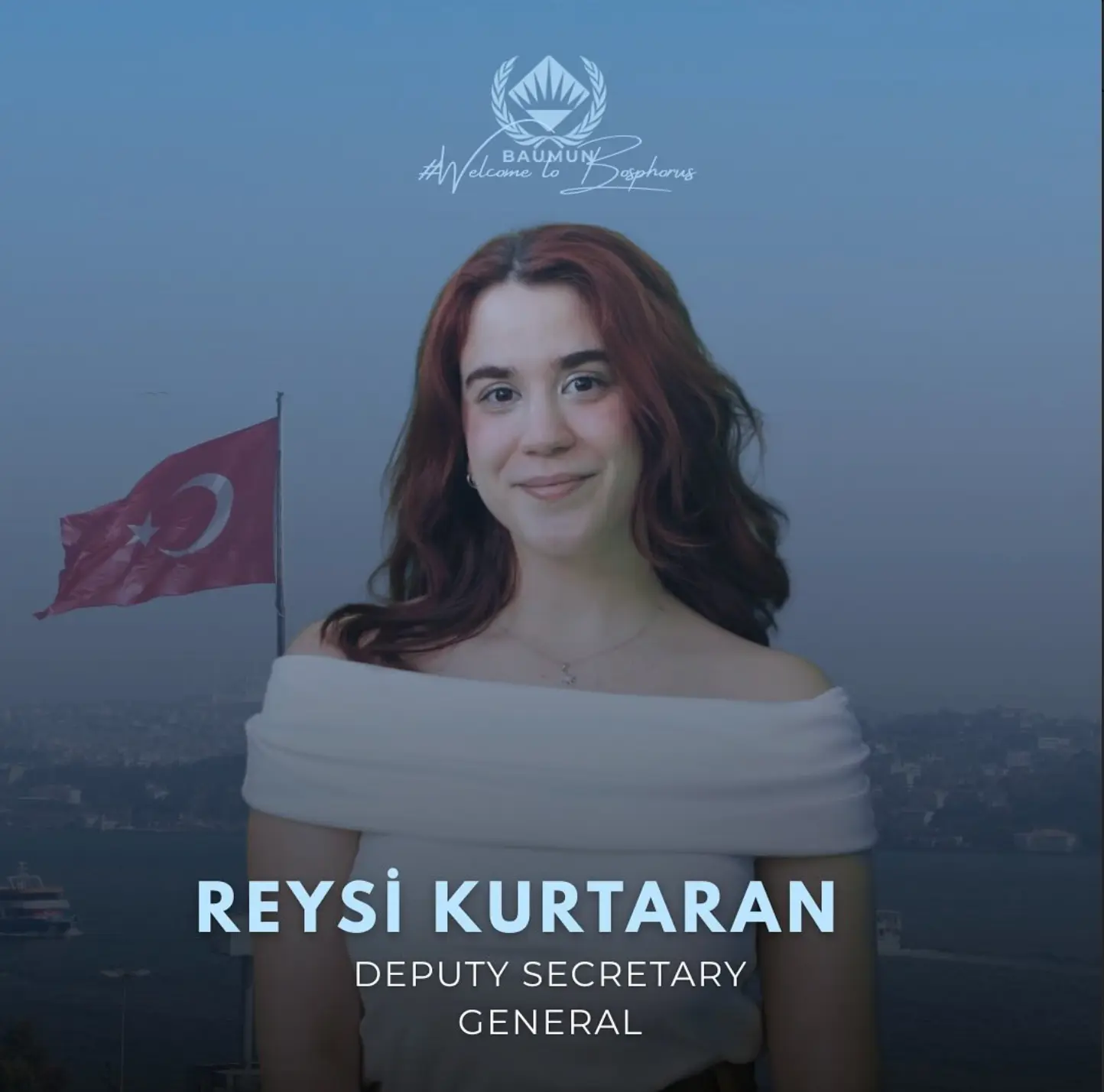
Deputy Secretary General
Deputy Secretary General
Deputy Director General
Executive Academic Assistant
Gallery
